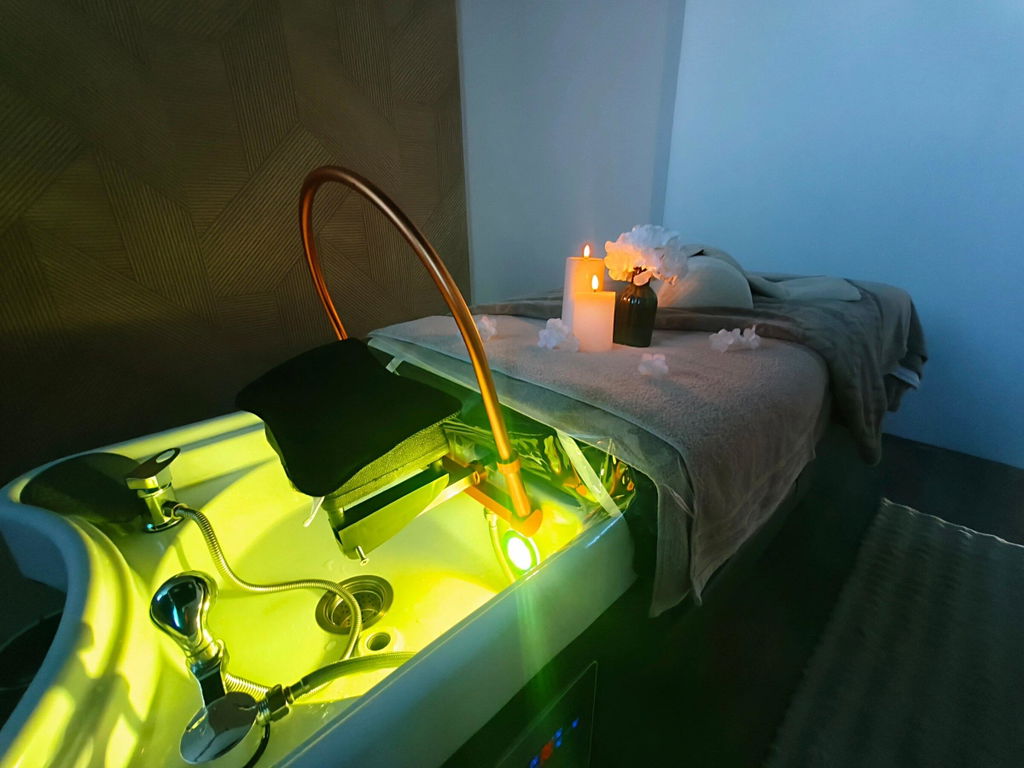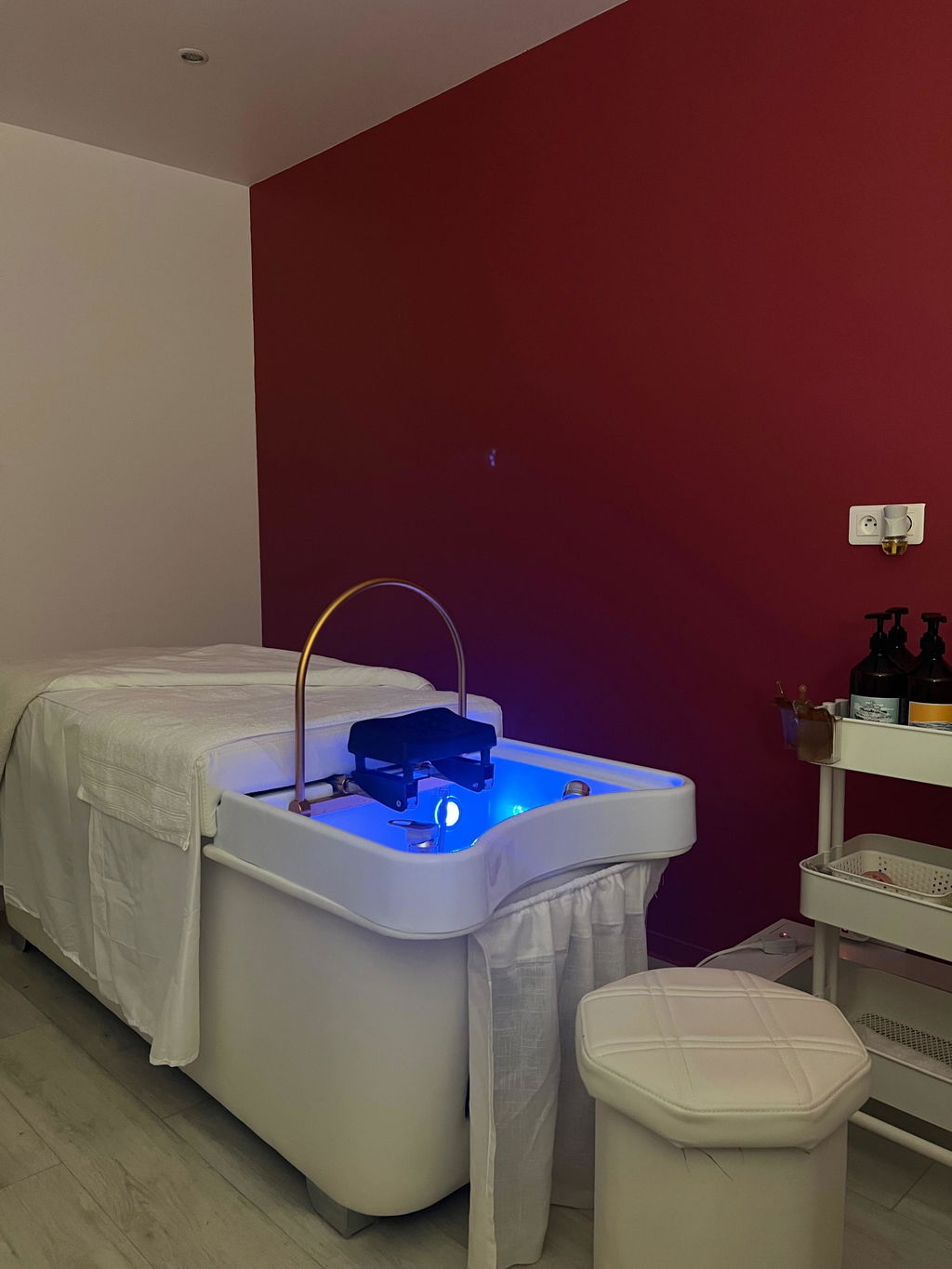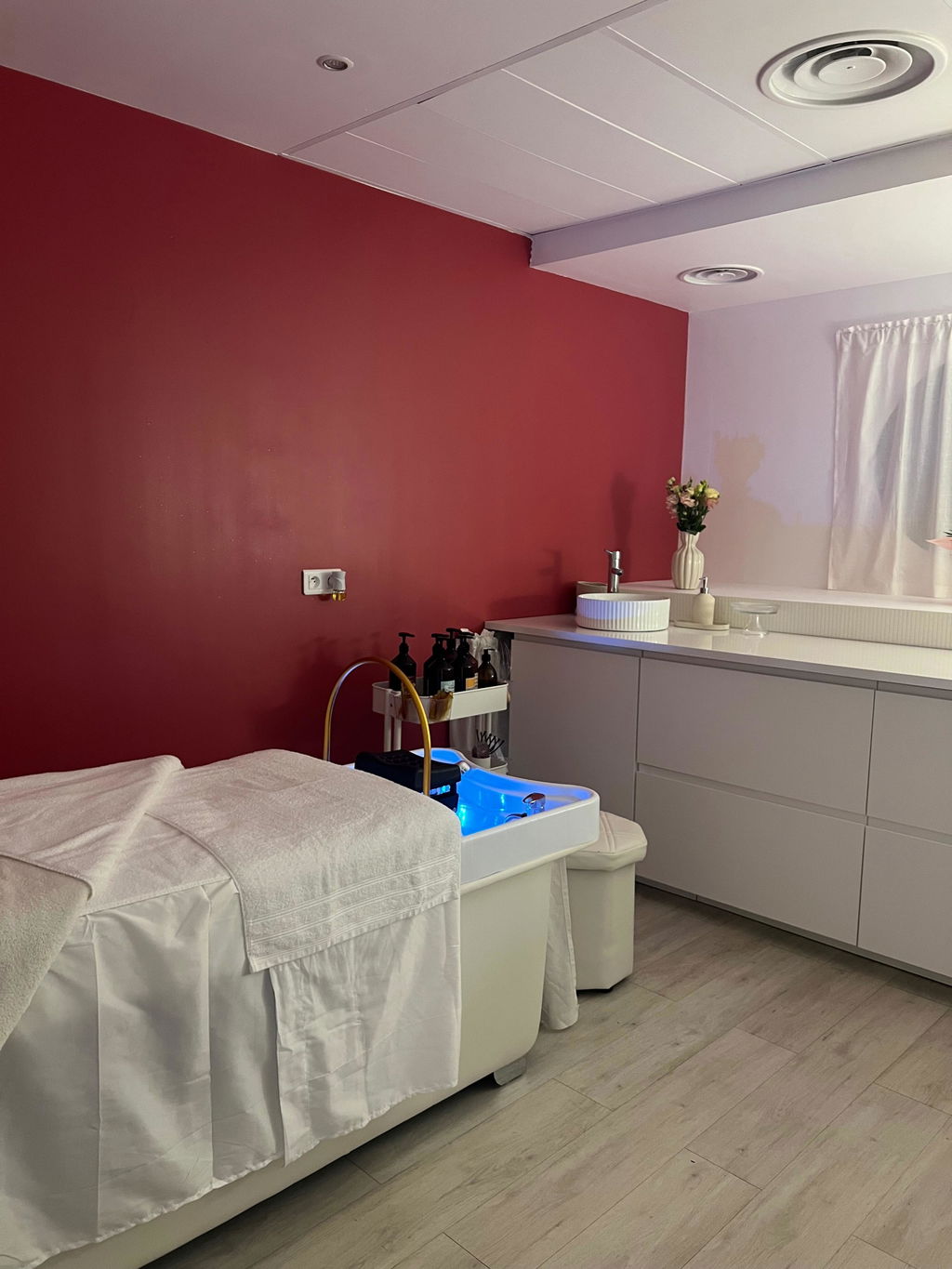

Installing a head spa basin in an existing salon raises very practical questions: are plumbing works needed? How much space should be allocated? Which configuration should be chosen based on the current setup? This guide provides practical answers to each of these questions, so you can assess the real feasibility before making your decision.
Whether you already have a plumbed-in hair wash unit or are starting from an empty space, the options are not the same. The goal here is not to sell you equipment—it's to enable you to prepare your project with the right information in hand. To learn more about equipment selection, consult our article on the advantages of professional head spa equipment.
First step: assess your existing setup
Before choosing your head spa basin, the first question isn't about aesthetics—it's technical. Does your salon have a cold water inlet, a hot water inlet, and drainage near the intended space?
If yes: you can opt for a head spa basin with a direct connection. This configuration is the most seamless for daily use—no tank to fill or empty, instant heating without volume limits, continuous sessions without logistical interruptions.
If no—or if your plumbing is too far from the intended space: a head spa basin without plumbing is the suitable solution. These models operate with a built-in double tank—separate clean water and wastewater—and require no plumbing connections. The Japanese head spa basin Izumi, for example, is on wheels and can be set up in minutes.
The head spa basin without plumbing is particularly suitable for three profiles. Professionals who already have a massage table and wish to add head spa services without replacing their existing equipment—the basin is positioned at the head end of the table. Multi-service cabins where the practitioner also offers massage, body treatments, or other standing protocols—in this case, some full-height fixed head spa beds might be too low to work comfortably on other daily services. And spaces without available water points, where plumbing work is not feasible.
In the Sakura Head Spa range, both configurations are available: head spa basins with plumbing and standalone models without plumbing. Our team helps you identify the right option based on your setup. Discover our range of professional head spa equipment.
Space and configuration: what to plan for concretely
The head spa basin is not just another piece of furniture. It accommodates a client lying down or semi-reclined, with their head positioned in the basin—and you, standing or sitting, with free access to the scalp. This implies specific space constraints.
Minimum space depending on your configuration
Space calculation depends directly on the type of equipment chosen—and this is where many projects are decided.
Configuration without plumbing basin + existing massage table: The Izumi basin measures 70 cm wide × 58 cm deep × 68 cm high. A standard massage table measures between 185 and 195 cm long. At the head end of the table, the basin adds 58 cm—making a total length of 243 to 253 cm. You then need to allow sufficient space behind the client's head for the seated practitioner: a minimum of 60 cm. So, expect a total length of about 310 cm along the main axis. In a room 2.50 m long, this configuration is too tight to work comfortably.
Configuration full head spa table without plumbing (Sapporo table): The Sapporo table integrates the basin and bed into a single autonomous unit—a 90 L tank allowing up to five sessions between refills, fixed installation, no connections required. With a practitioner's clearance of 60 cm, this comes to about 270 cm—40 cm less than the massage table + separate Izumi basin configuration. This is often the most compact solution for small spaces without a water point.
Configuration full head spa table with plumbing (Kyoto table): Same compactness (200 to 210 cm), but requires a cold water inlet, a hot water inlet, and drainage. This is the most seamless configuration for intensive use—no tank to manage. If your setup does not have floor drainage nearby, do not hesitate to contact us before placing an order: we can guide you to the technical solution adapted to your configuration.
In both cases, allow 70 cm of clear circulation space on each accessible side for the practitioner, and check the direction your door opens before definitively positioning the equipment.
The complete head spa bed: two options depending on your plumbing
Contrary to popular belief, the complete head spa bed is not reserved for large spaces. Because it integrates the basin and bed into a single unit (200 to 210 cm), it is often more compact than a massage table combined with a separate basin—up to 40 cm less along the main axis. This is a decisive point for cabins under 12 m².
Without plumbing — Sapporo table: Autonomous 90 L tank (up to five sessions between refills), fixed installation — water is brought to the table, not the other way around. No plumbing work required. This is the ideal option if you want a dedicated full table without plumbing constraints. Same practitioner ergonomics and immersion as the plumbed version.
With plumbing — Kyoto table: Cold water inlet, hot water inlet, and gravity floor drainage required. Drainage is usually provided to a floor drain—check for a siphon or manhole near your space. If not, do not place an order without discussing it with us first: technical solutions exist depending on your configuration. This is the most seamless version for intensive use, with no tank management.
In both cases, the head spa bed offers a complete immersion experience: the client lies flat along the entire length, with their neck supported by the integrated basin. Ideally in a cabin around 9 m² depending on your protocol and circulation needs.
| Criterion | Izumi Basin (no plumbing) | Sapporo Head Spa Table (no plumbing) | Kyoto Head Spa Table (with plumbing) |
|---|---|---|---|
| Work required | None | None | Cold water + hot water + drainage |
| Format | Basin only (58 cm) — placed at the end of existing table | Full table 200-210 cm | Full table 200-210 cm |
| Autonomy | Fast heating (<5 min), integrated recovery basin | 90 L — up to 5 sessions | Unlimited (plumbed) |
| Flexibility | On wheels, movable | Fixed table — water is brought to the table | Fixed installation |
| Multi-services standing | Yes — existing massage table retained | Less suitable (fixed height) | Less suitable (fixed height) |
| Ideal profile | Multi-services, existing table, quick launch | Dedicated cabin, no plumbing | Dedicated cabin, plumbing available |
Step-by-step installation: what actually happens
For the Izumi basin (no plumbing)
This is the fastest installation. Upon receipt: position the head spa basin without plumbing at the end of your massage table, plug into a standard electrical outlet, fill the clean water tank—and you can start. The integrated ultra-fast water heater reaches the treatment temperature in a few minutes. Full commissioning takes about fifteen minutes, excluding heating time.
The ergonomic shape of the Izumi basin includes niches for legs and a hollow for the client's pelvis to position their arms—optimal comfort without additional accessories. The wastewater collection basin is integrated under the main basin.
For the Sapporo table (no plumbing)
The Sapporo is a complete fixed table—it doesn't move, you bring the water to it. Fill the 90 L tank on-site, plug into a standard outlet, and the table is operational. Up to five sessions between refills, depending on the duration of your protocols. Plan its definitive location before installation.
For the Kyoto table (with plumbing)
Installing a plumbed head spa bed requires upfront preparation: cold water inlet, hot water inlet, and gravity floor drainage. If you already have a hair wash unit nearby, a diversion connection is often possible without heavy work—to be validated with your plumber. If your space does not have floor drainage, contact us before placing an order: we can guide you to the technical solution adapted to your configuration. Our team supports you with an installation guide in French and assistance available upon delivery.
Questions to ask before buying
Before finalizing your equipment choice, systematically check these points. The available electrical power at the intended location—check the available amperage on your circuit breaker and the proximity of an outlet. If in doubt, ask your electrician before delivery. The distance between your head spa area and the nearest plumbing point, if you opt for a plumbed model. The ceiling height if you are considering equipment with an arch or integrated overhead steam system. And finally, the floor load—a filled head spa basin with its table can be very heavy depending on the model and the fill level of the tanks. Check the floor load and plan for installation on a stable surface. To estimate your overall budget—equipment, installation, and launch—consult our guide what budget to plan for opening a head spa.
Do you want to validate the feasibility of your project before committing?
Our team will analyze your space, existing setup, and target configuration with you—free of charge, with no obligation. This is what we do in every discovery appointment.
Book your free discovery appointment
Express FAQ
Are plumbing works required to install a head spa basin?
Not necessarily. A head spa basin without plumbing operates with a built-in double tank—no plumbing required, just a standard outlet. If you opt for a plumbed model or a full head spa table, a cold water inlet, hot water inlet, and drainage are necessary—often achievable by diversion if your salon already has a hair wash unit.
How much space should be allocated for a head spa basin?
It depends on your configuration. Japanese head spa basin without plumbing + existing massage table: count table (185-195 cm) + basin (58 cm) + practitioner's clearance (60 cm min) = approximately 310 cm along the main axis. Full head spa table (Sapporo without plumbing or Kyoto with plumbing): approximately 270 cm with practitioner's clearance—40 cm less. In both cases, 70 cm of clear circulation space on each side for the practitioner.
What is the difference between a head spa basin and a head spa bed?
The head spa basin is placed at the end of your existing massage table—ideal if you perform other standing services, or if you don't have plumbing available. The head spa bed is a complete integrated table (basin + bed in 200-210 cm)—more compact than a separate table + basin, but requires plumbing and is dedicated solely to head spa services.
How long does it take to install a basin without plumbing?
About fifteen minutes for commissioning—positioning, electrical connection, tank filling. The Izumi basin's integrated water heater reaches treatment temperature in less than 5 minutes. No tools or technician required. An installation manual in French is provided upon delivery.
Can a head spa basin be moved after installation?
The Izumi basin is on wheels—easily movable at any time. The Sapporo table is a fixed and heavy installation: plan its definitive location before putting it into service. The plumbed Kyoto table is also fixed.