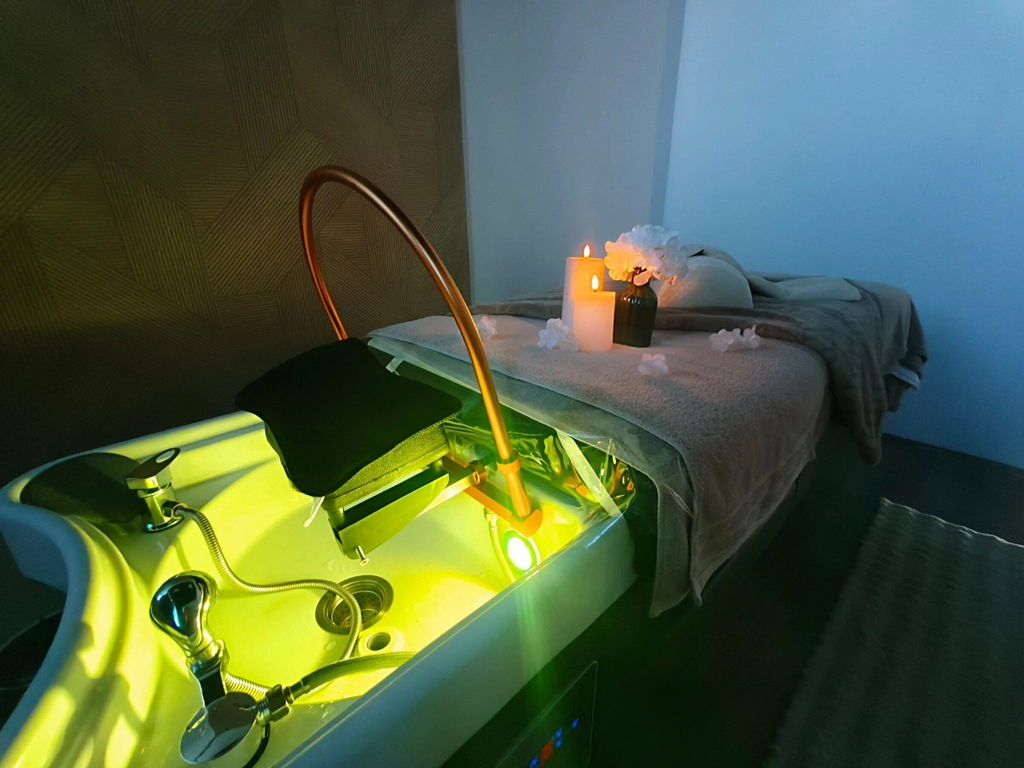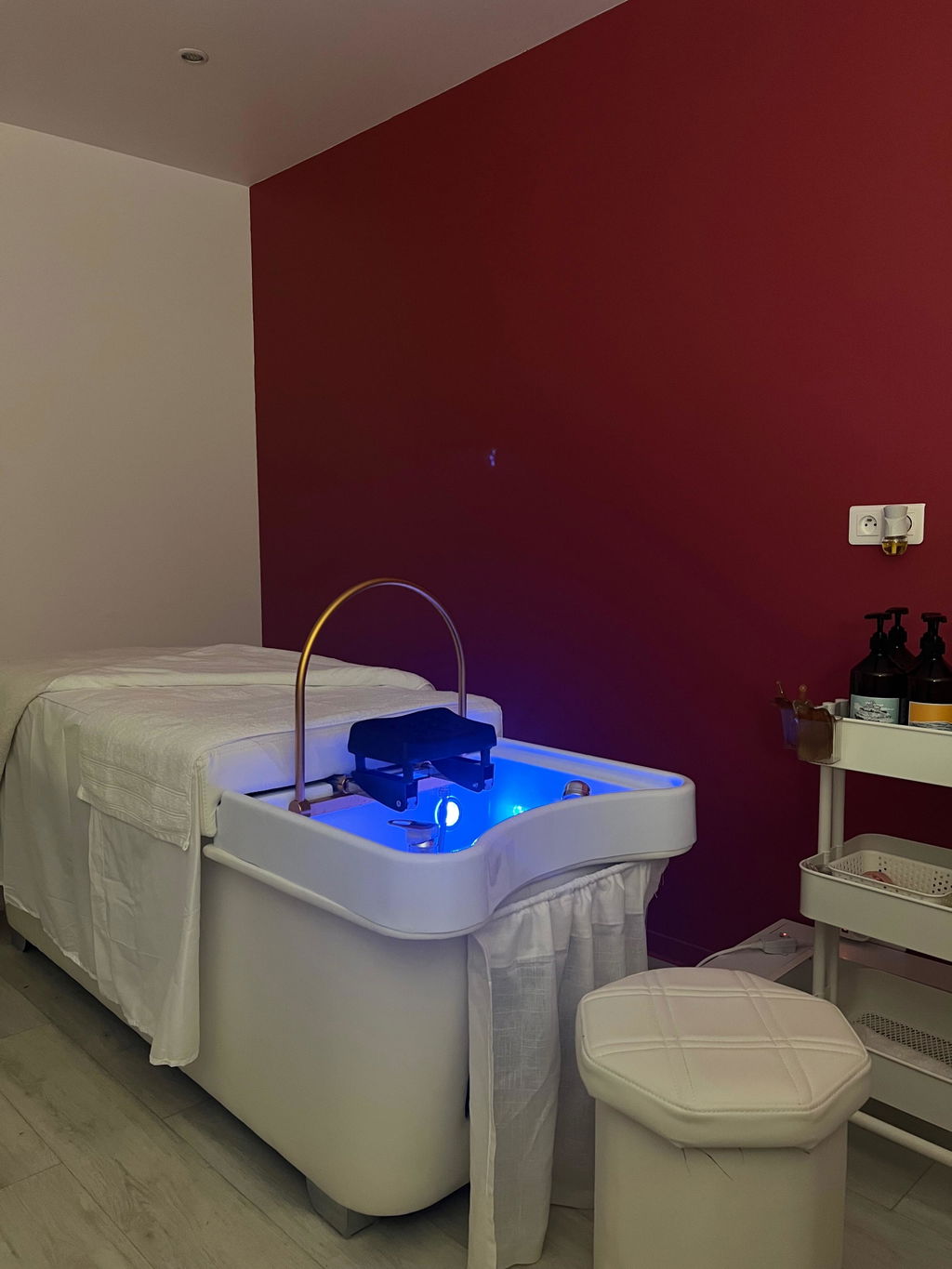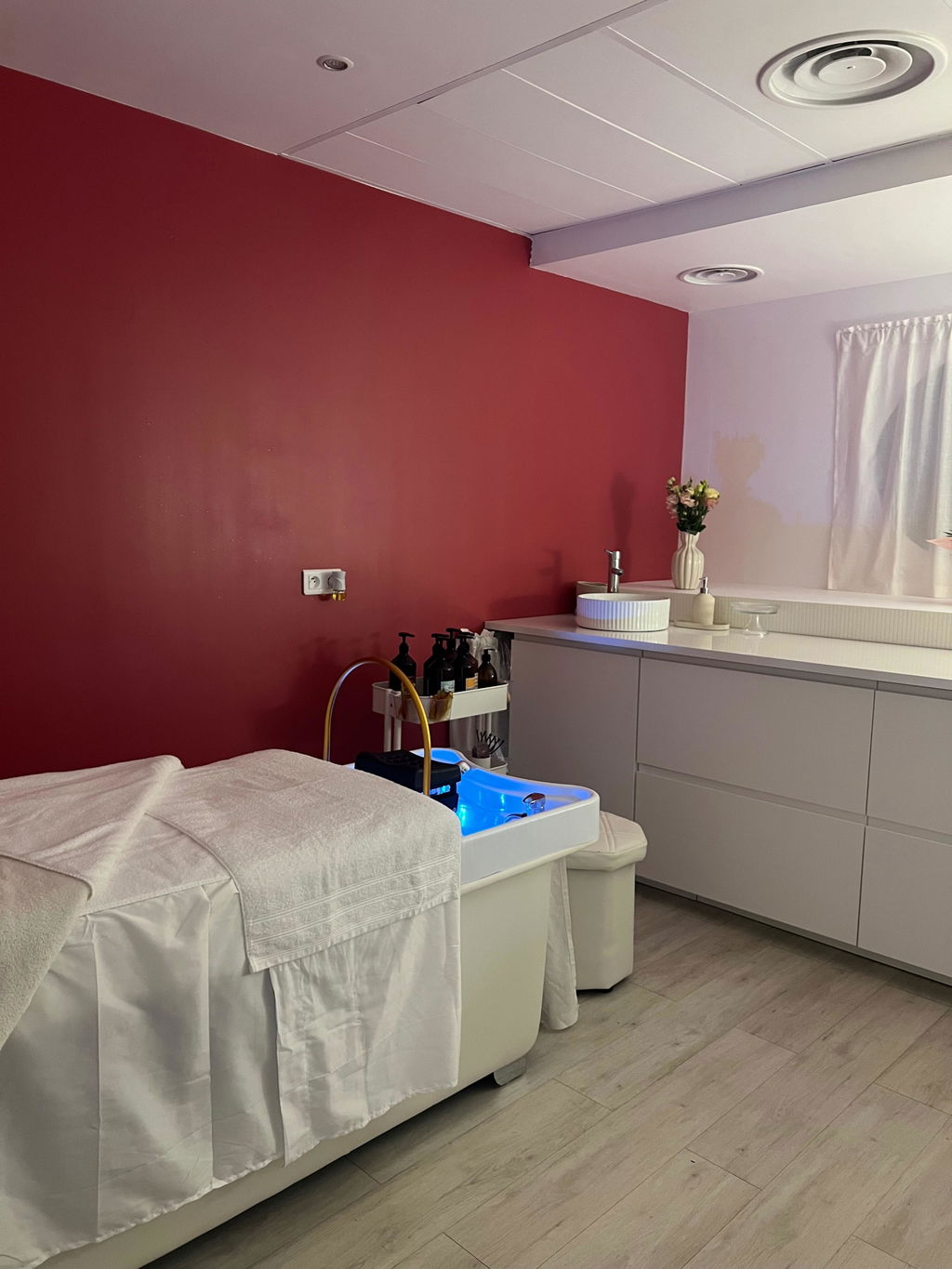

Are you considering offering head spa services in your salon and wondering what equipment to start with? It's a valid question: there are many models on the market, different configurations, and investing several thousand euros without the right criteria is a real risk. This guide provides a structured answer—without jargon or lists of useless features—to help you choose the most suitable head spa equipment for a smooth launch.
Why Equipment Choice Determines Your Launch
The head spa equipment you choose determines three essential things: the quality of the experience you offer your clients, your daily working conditions, and your capacity to scale. Equipment poorly suited to your space or organization creates operational constraints from the very first weeks—and operational constraints mean a decrease in treatment quality and eroded motivation.
The good news is that to start, you don't need the most comprehensive model. You need the model best suited to your actual situation. And in the vast majority of launch cases, this actual situation points to a specific configuration. Our range of professional head spa equipment covers all configurations—from entry-level mobile basins to fully plumbed tables.
The First Question: Plumbed or Not?
This is the first decision to make—and it simplifies everything else. If your premises do not have a cold water inlet, a hot water inlet, and a drainage point near the intended space, the answer is immediate: a non-plumbed head spa basin.
For a launch, this is often the wisest configuration, even if your premises have a water point. Here's why: a non-plumbed head spa basin can be installed without construction work, without a plumber, and without landlord approval. You plug it into a standard outlet, fill the tank, and you're ready to go. If your head spa business takes off—and it should—you can then invest in a plumbed setup with the cash flow generated from the first sessions. This is the logical sequence for a controlled launch.
Basin or Table: Which Format to Start With?
Once the plumbing question is settled, the second choice is about the format: a standalone head spa basin or a complete head spa table?
The Head Spa Basin: The Recommended Entry Point
For a launch, the head spa basin is the most sensible choice in most situations. It positions at the end of your existing massage table—if you have one—and transforms any station into a head spa station without reorganizing your space. It's mobile on wheels, allowing you to store it between sessions or move it according to your setup.
The Izumi basin, for example, integrates a dual tank (separate clean and wastewater), an ultra-fast water heater, and ergonomics designed for comfort on both sides: a leg recess, a pelvic hollow, and a neck cut-out that conforms to cervical curves. You can perform two to three sessions back-to-back without interruption—which covers most schedules during the launch phase.
The Complete Head Spa Table: For a Dedicated Cabin
A complete head spa table integrates the basin and bed into a single piece of furniture. This is ideal if you are creating a cabin entirely dedicated to head spa, with a fixed space and an established clientele. For a launch, it represents a stronger commitment—dedicated space, fixed installation—which is fully justified once you have validated the demand from your local clientele.
To visualize the technical and pricing differences between each model, compare the entire Sakura range before deciding.
Undecided between a basin and a table for your setup?
Book a free discovery appointment—we'll analyze your space, setup, and organization together to guide you toward the most suitable solution.
Technical Criteria to Check Before Buying
Regardless of the model you are evaluating, four technical criteria directly determine the quality of your sessions and the durability of your investment.
Heating Power
A head spa session lasts between 60 and 90 minutes. The water must remain between 38 and 40 °C from start to finish—a drop in temperature during the treatment immediately ruins the experience. Check for a minimum power of 3,000 W and the presence of a precise digital thermostat. Models with integrated basin heating maintain temperature more effectively than those that only heat in the tank.
Tank Capacity
A session consumes between 20 and 25 liters of water. For a non-plumbed head spa basin, the clean water tank must be at least 50 liters to perform two sessions consecutively without interruption. High-end models offer 60 to 90 liters—which covers half a day's work without intermediate refilling.
Material Robustness
- Choosing a selection results in a full page refresh.
- Opens in a new window.