
The hair steamer is one of the most versatile pieces of equipment in the hair and wellness industry. It has long been present in beauty salons for facial treatments, but its integration into professional hair protocols — and more specifically into the world of head spas — is more recent. This renewed interest is not a passing trend: it responds to a concrete demand from clients for deeper, more sensory treatments, and to a simple economic logic for professionals looking to maximize every salon visit.
Whether you are a hairdresser with a classic shampoo bowl, a head spa practitioner with a dedicated bowl, or a wellness area manager, the professional hair steamer can be integrated into your existing offering without major reorganization. This guide presents concrete use cases, selection criteria, and pricing models that work.
Classic Hair Steamer and Nano Mist: Two Technologies, Two Uses
Before discussing integration into your offering, it's helpful to distinguish between the two main families of steam equipment available on the professional market.
The classic salon hair steamer produces hot water vapor using resistance heating or ultrasonic technology. The diffused particles are relatively large — they remain on the surface of the hair fiber and scalp, provide warmth and humidity, and create an immediate sensory experience. This is the most common equipment, the most financially accessible, and the simplest to integrate into an existing protocol.
Nano misting — like that of the Mizuki, Sakura Nano-Ozone Steam Helmet — diffuses significantly finer particles, with an integrated ozone function. This is a more advanced technology, positioned for premium head spa protocols. If you wish to delve deeper into this topic, our dedicated article on Mizuki covers the specifics of nano misting in detail.
In this guide, we focus on the integration of the classic professional hair steamer — the most accessible and immediately profitable solution for most salons.
Use Case 1: The Hair Steamer on a Classic Shampoo Bowl
This is the most underestimated use case — yet one of the most profitable in the short term.
You don't have a head spa bowl. You have a standard shampoo bowl, a loyal clientele, and a busy schedule. The hair steamer allows you to introduce a deep hair care dimension without changing your infrastructure.
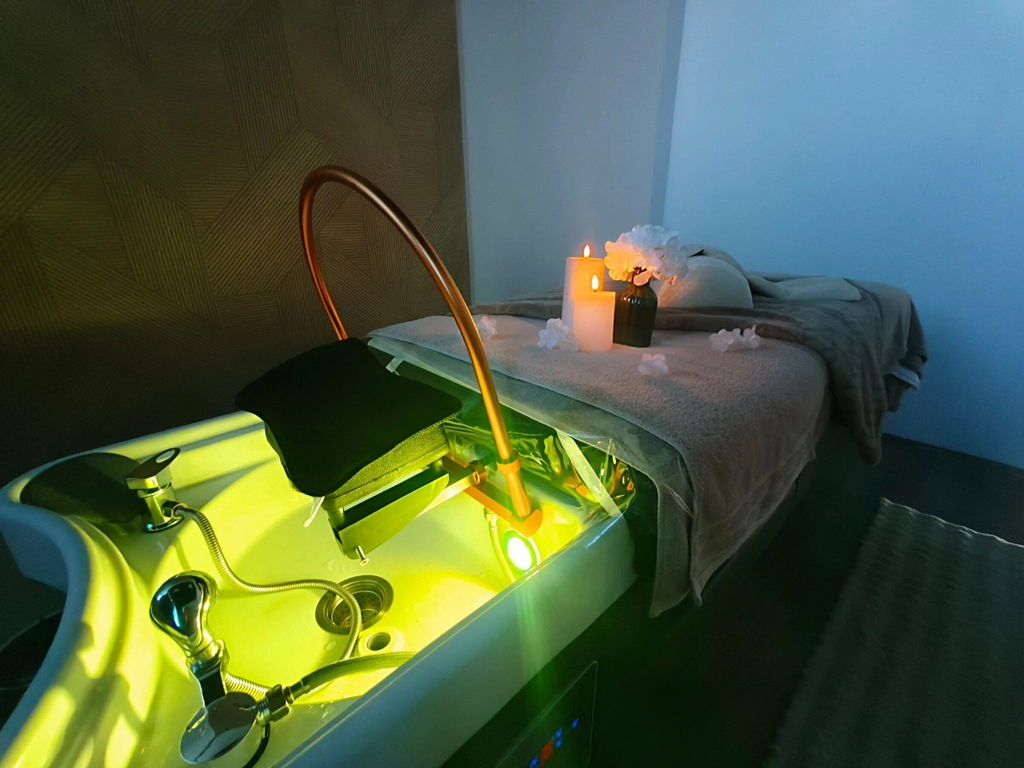
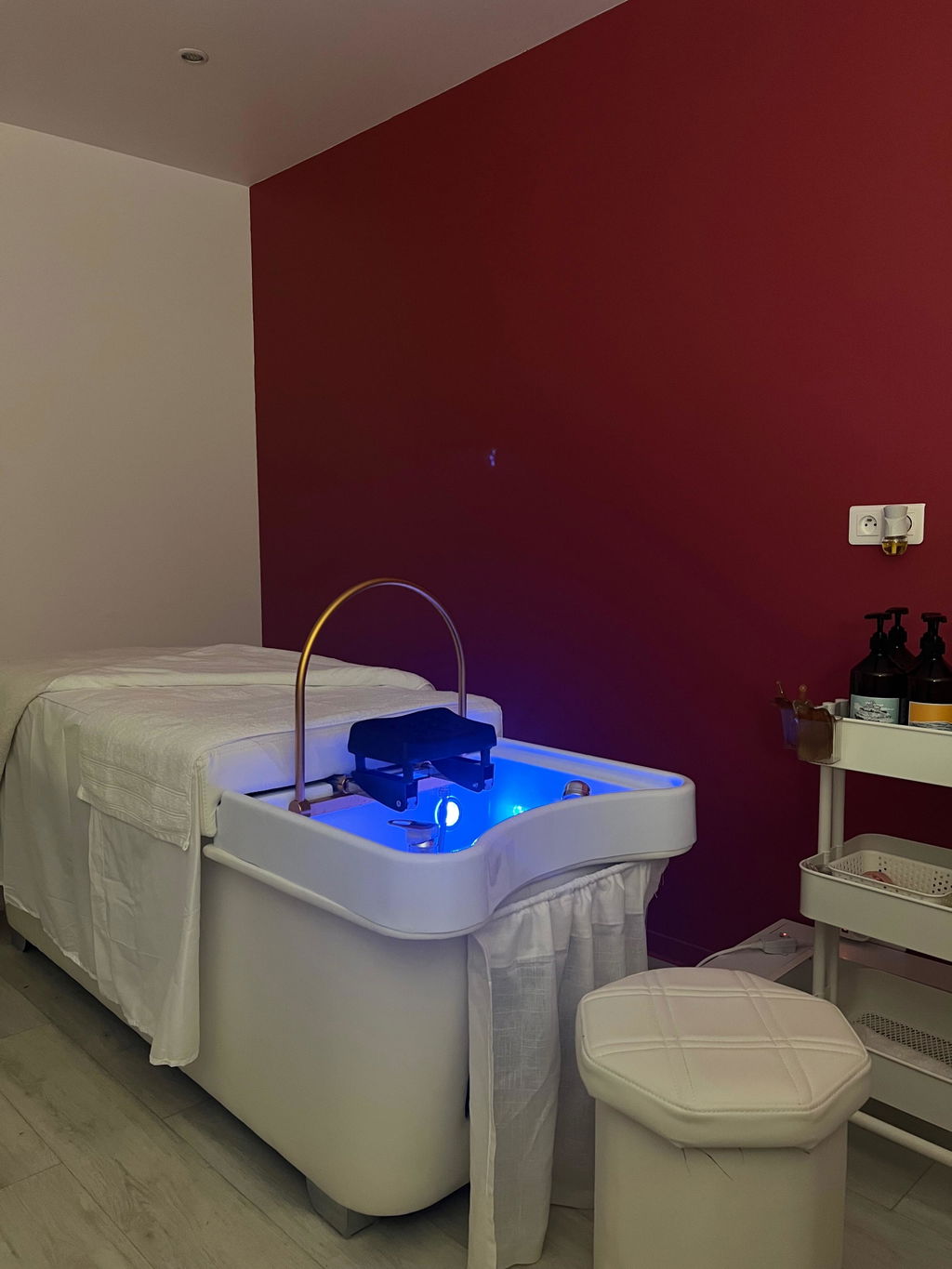
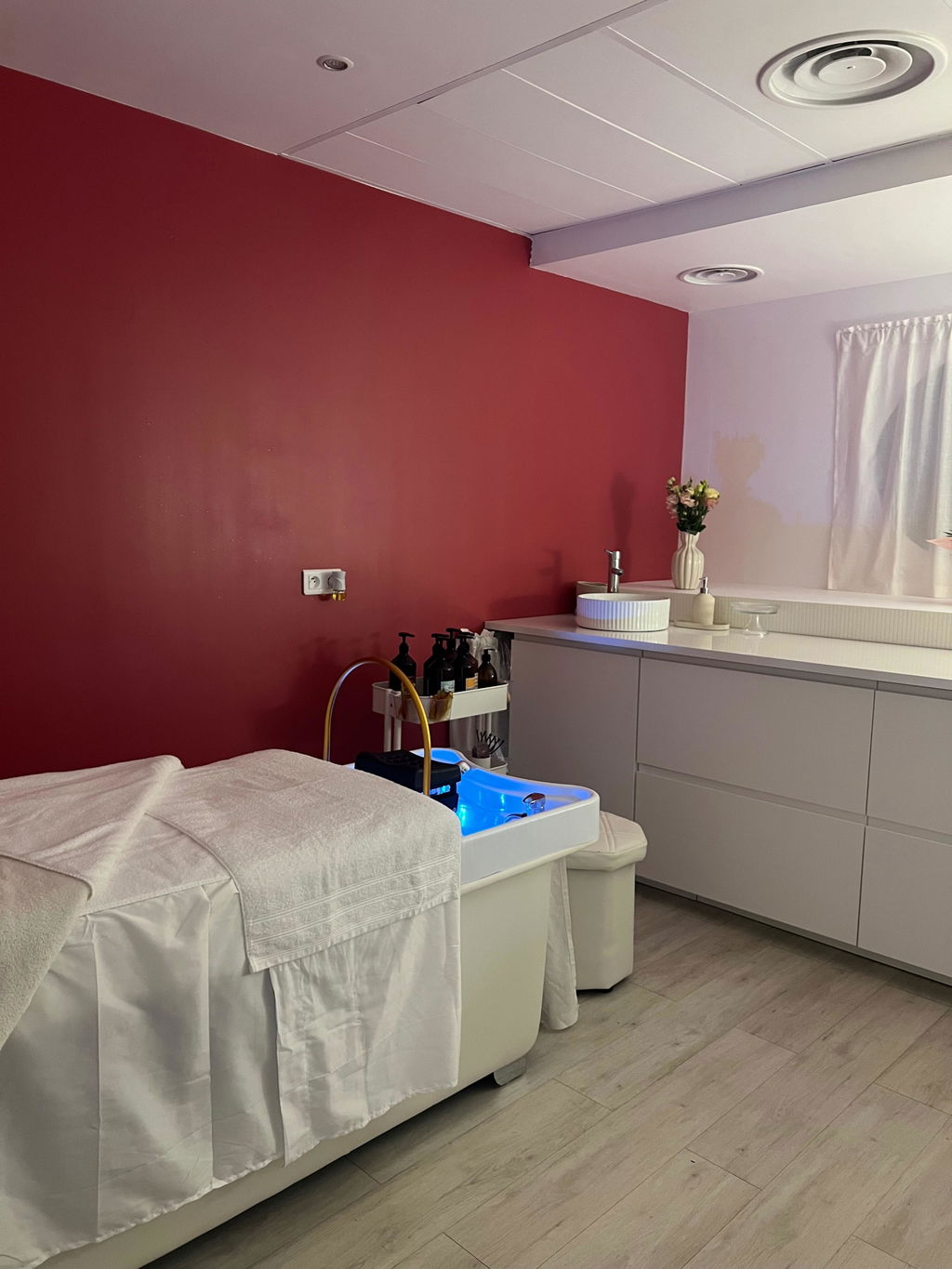
The principle is simple: after shampooing and before the final rinse, you position the hair steamer helmet on your client's head, apply a mask or hair treatment, and let it act under humid heat for 10 to 15 minutes. The heat and humidity can promote the hair fiber's receptivity to applied treatments, and produce an immediate relaxing effect. The result is noticeable from the first session — softer fiber, relaxed scalp, a clearly differentiated client experience.
This express treatment is naturally positioned as a €15-20 upgrade to your existing hairdressing service. It should be offered systematically during the initial consultation, especially for clients with weakened, colored, or dry hair. The average ticket increases without significantly extending the service time.
It is also an excellent entry point to educate your clientele about professional hair care — and, when the time comes, direct them towards a complete head spa protocol if you decide to develop this offering.
Use Case 2: Hair Steamer Integrated into the Head Spa Protocol
In a structured head spa protocol, the head spa hair steamer plays a role in preparation or potentiation depending on when it is used.
During the preparation phase — before the massage
Positioned at the beginning of the session, the hair steamer provides the necessary heat and humidity to relax the scalp and prepare the tissues before the cranial massage. The client enters a state of relaxation more easily, the massage is more effective, and the overall experience is more complete. This is the most common positioning in professional Japanese head spa protocols.
During the application of treatments — under a mask
Applied after a mask or hair treatment, the hair steamer maintains heat and humidity during the product's resting time. This combination can promote better receptivity of the scalp to the active ingredients of the treatment. This is particularly relevant for reconstructive treatments, intensive hydrating treatments, or anti-hair loss treatments based on natural active ingredients.
As an express standalone service
The hair steamer can also be offered as an independent express hair treatment — 20 to 30 minutes, without a full massage, at an accessible price. This is an interesting option for clients who wish to take care of their scalp regularly without committing to a full head spa session. This format is particularly suitable for salons that are starting their hair wellness offering and wish to gradually accustom their clientele.
Use Case 3: Hair Steamer in a Salon or Wellness Area
In a beauty institute or spa, the hair steamer naturally fits into a holistic care approach. Your clients are already accustomed to multi-step protocols — facial treatments, body wraps, massages. Adding a hair steaming step in a head-to-body treatment integrates seamlessly into this type of offering.
The pro hair steamer treatment can be offered as a step in a complete wellness journey, or as a standalone hair service for clients who do not usually visit hair salons. It's a way to expand your clientele without straying from your core business.
How to Choose Your Professional Hair Steamer
Not all professional hair steamers are created equal. Here are the concrete criteria to evaluate before investing.
Diffusion Technology
Ultrasonic hair steamers produce a fine, cold mist, which is less aggressive on fragile hair fiber. Resistance hair steamers produce a warmer, more enveloping steam, appreciated for its relaxing effect. The choice depends on your clientele and the treatments you offer. For very fragile or colored hair, cold or lukewarm steam is generally preferable.
Workstation Ergonomics
A poorly positioned hair steamer forces the practitioner into uncomfortable postures over several sessions per day. Check that the arm is height-adjustable, that the helmet can be easily positioned on different body types, and that the entire unit is stable during diffusion. These details have a direct impact on your long-term working comfort.
Heating Time and Autonomy
In a professional context, a hair steamer that takes 15 minutes to heat up slows down the pace between clients. Opt for models that reach their operating temperature in less than 5 minutes. Also check the tank capacity — a tank that is too small requires frequent refilling, which interrupts the protocol.
CE Compliance and After-Sales Service
As with any professional equipment, CE marking and the availability of after-sales service in French are prerequisites. A professional hair steamer is electrical equipment used near water — CE compliance is not optional. Also check that your supplier can quickly send you replacement parts in case of breakdown.
Daily Maintenance
Limescale is the main enemy of professional hair steamers. The use of demineralized or distilled water is essential to preserve the nozzles and prolong the life of the appliance. Check that the tank is easily accessible for cleaning, and that the manufacturer provides a clear maintenance protocol.
What Return on Investment Can You Expect from a Hair Steamer in a Salon?
The question of return on investment is legitimate — and the answer is often faster than professionals anticipate.
Based on a €15-20 upgrade per service, with an average of three to five clients per day accepting the complementary treatment, an entry-level professional hair steamer can pay for itself in a few weeks. The exact calculation depends on your activity volume, your pricing, and your acceptance rate — but the economic logic is favorable as long as the equipment is well integrated into your sales pitch.
For an autonomous service at €25-35 for an express session, profitability is even faster. And in a course format of three to five sessions, you simultaneously improve the return on investment of the equipment and client loyalty.
To model the return on investment adapted to your specific activity, our team can assist you during a discovery meeting.
FAQ - Hair Steamer
Can a professional hair steamer be used without a head spa bowl?
Yes, absolutely. A professional hair steamer can be used on any existing shampoo bowl. Simply position the helmet on the client's head while they are lying in the bowl, apply a hair treatment, and let it act under humid heat. This is one of the most accessible ways to introduce deep hair care into a classic hair salon, without infrastructure investment.
What is the difference between a hair steamer and a nano mist helmet like the Mizuki?
A classic hair steamer produces water vapor whose particles remain mostly on the surface of the hair fiber. A nano mist helmet like the Mizuki diffuses significantly finer particles, with an integrated nano-ozone function. Nano misting is positioned for premium head spa protocols; the classic hair steamer is more accessible and suitable for a wide range of professional hair treatments.
How long does a hair steamer treatment last in a salon?
When integrated into a hairdressing or head spa protocol, the hair steamer phase generally lasts between 10 and 20 minutes. For an express standalone service, a complete session takes 20 to 30 minutes. The heating time of a quality professional hair steamer is less than 5 minutes, which does not significantly lengthen the service time between clients.
Should demineralized water be used in a professional hair steamer?
Yes, the use of demineralized or distilled water is highly recommended in any professional hair steamer. Limescale is the main cause of premature breakdown of this type of equipment. By systematically using demineralized water, you significantly extend the lifespan of the appliance and avoid breakdowns related to scaling of the nozzles or heating element.
Is the hair steamer suitable for all hair types?
The hair steamer is suitable for most hair types. For very fine or fragile hair, cold or lukewarm steam is preferable to hot steam. For reactive scalps or those with an active pathology (psoriasis, seborrheic dermatitis flare-up), the treatment should be adapted or contraindicated depending on the case. A preliminary consultation with the client helps identify any contraindications before the session.
To identify the hair steamer most suitable for your setup and current offering, book an appointment with our team — we will analyze your situation and advise you on the most relevant integration for your salon.
Article written based on our field experience and supporting over 400 professionals in France and Europe.